GHK-Cu (glycyl-L-histidyl-L-lysine copper) is a naturally occurring copper-binding peptide that has been widely studied for its role in biological signalling research. First identified in blood plasma, it occurs in various biological fluids, and scientific interest has expanded considerably because of its involvement in cellular-communication and gene-expression studies.
Research background
As a well-characterised copper-binding tripeptide, GHK-Cu is a common reference compound in signalling and matrix-biology studies. All findings to date derive from in-vitro and preclinical research.
- Cellular signalling pathways;
- Gene-expression modulation in experimental models;
- Extracellular-matrix biology in vitro;
- Copper-transport chemistry in cellular models;
- Responses in standard laboratory assay systems.
Laboratory observations
Controlled experimental environments have examined the interactions of GHK-Cu with various cultured cell types — including fibroblast activity in vitro and interactions with extracellular-matrix components. These are preclinical, in-vitro observations only.
Intended use and regulatory status
GHK-Cu is offered strictly for laboratory research and development purposes. It is not intended to diagnose, treat, cure or prevent any disease and has no approval for human or veterinary use. Standard laboratory safety protocols should be followed when working with peptides and chemical compounds.
Research Use Only — all products sold by AminOH Peptides are intended strictly for laboratory research purposes. These products are not medicines, foods, cosmetics or dietary supplements and are not intended for human consumption, veterinary use, diagnosis, treatment, cure or prevention of any disease. This article is provided for educational and scientific reference only and is not medical advice.
Compounds in this article
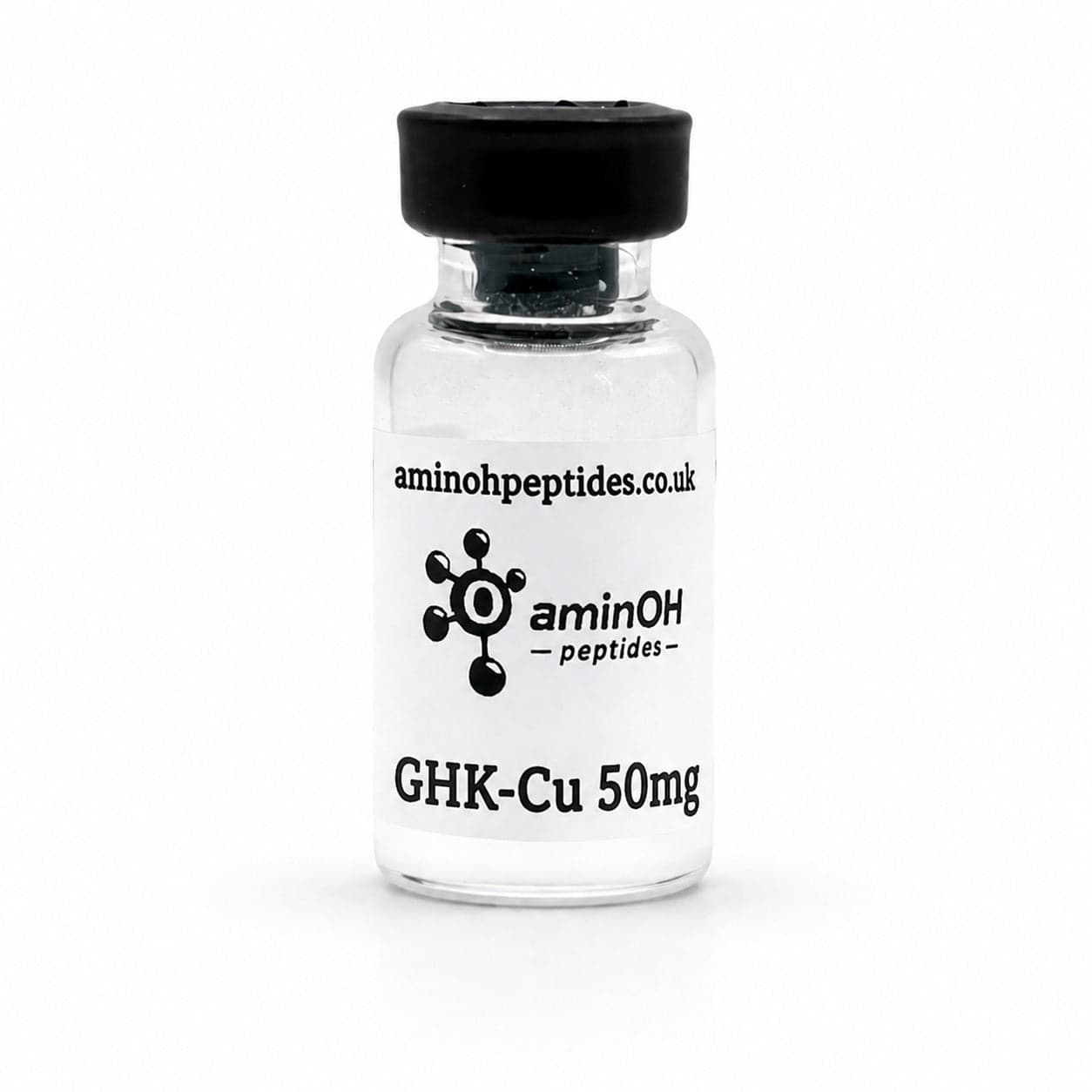
Research-grade compound — third-party tested, for laboratory research use only.
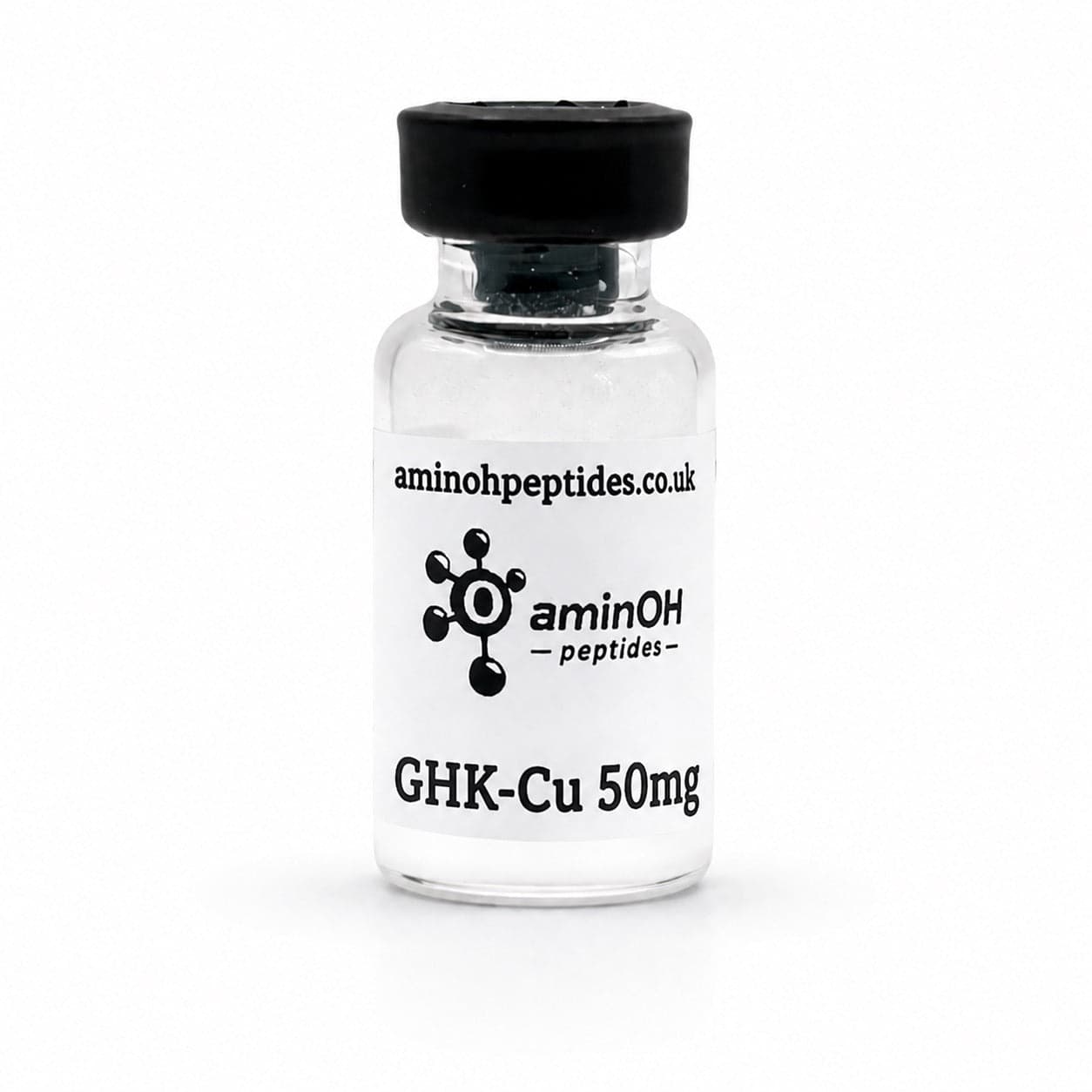
Research-grade compound — third-party tested, for laboratory research use only.
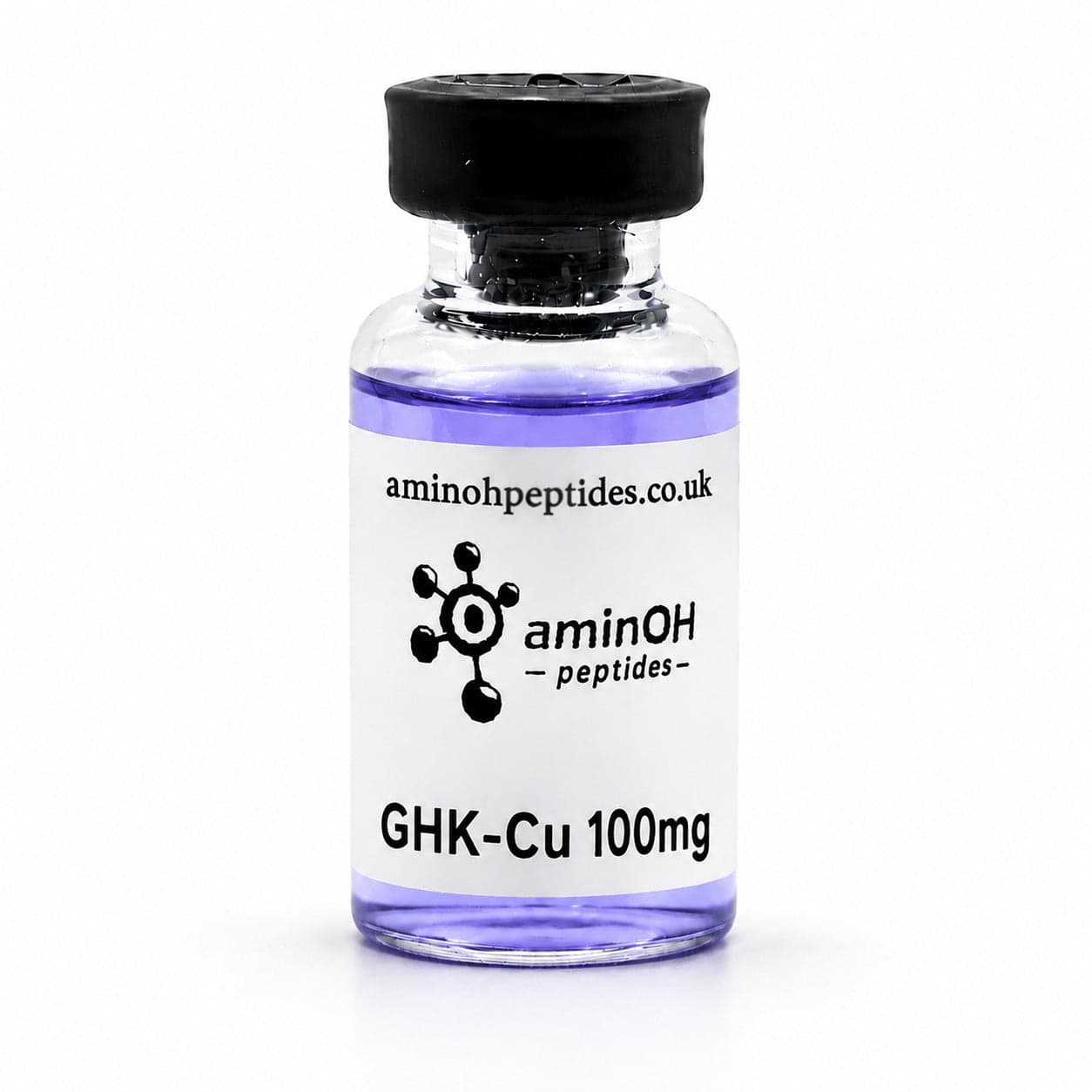
Research-grade compound — third-party tested, for laboratory research use only.
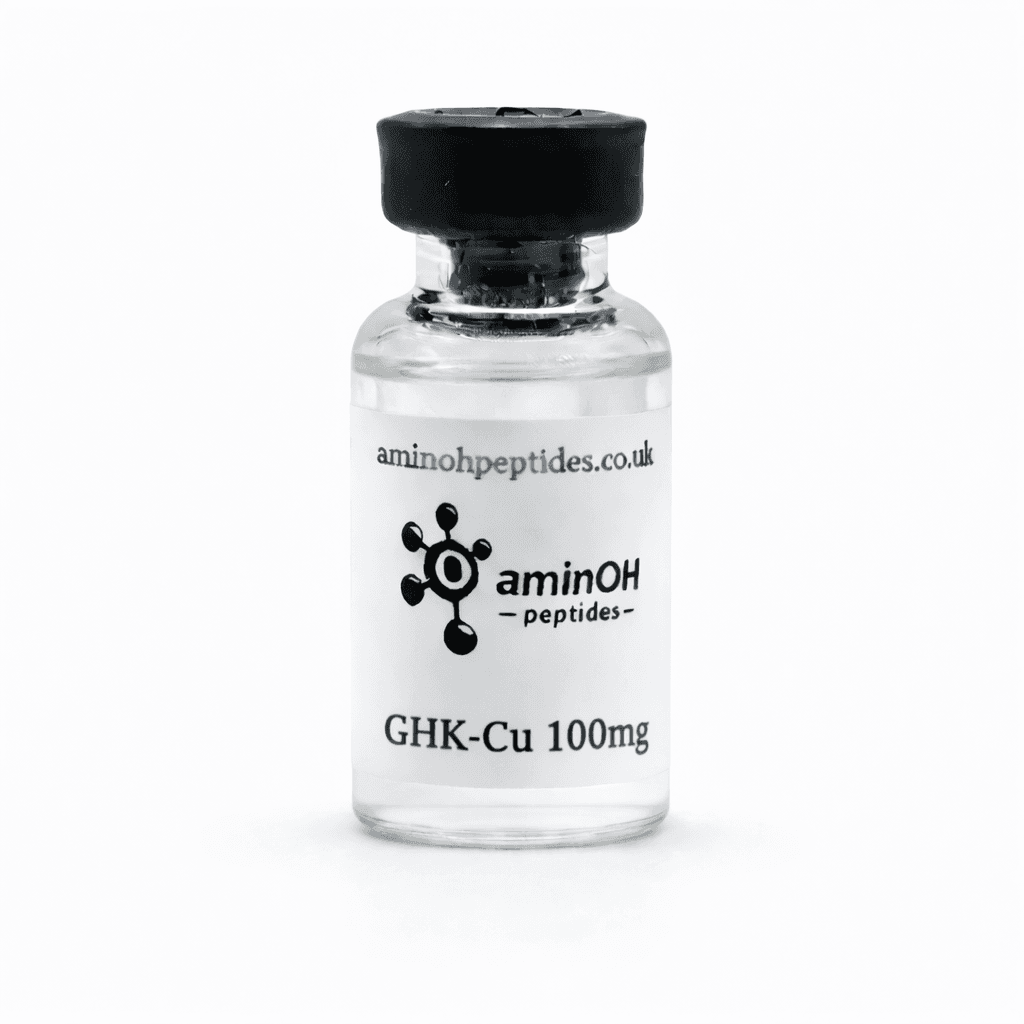
Research-grade compound — third-party tested, for laboratory research use only.